Care LibraryAroids
Pests and Problems
July 30, 2026 · 9 min read
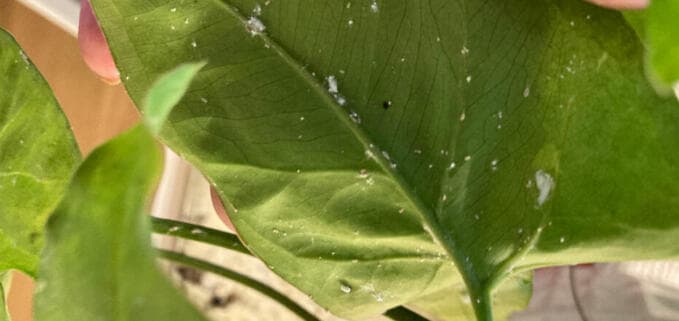
Pest Management & Common Problems in Alocasia
🌿🐛 Alocasia are stunning and bold plants — but they are also expressive, sensitive, and quick to show when something isn’t quite right. Almost every Alocasia parent eventually faces problems like yellowing leaves, pests, drooping stems, or seasonal dormancy confusion. The good news? These plants are predictable. Once you know how Alocasia communicate stress, diagnosing and fixing issues becomes easy — and even pests become manageable. Below is our comprehensive guide to identifying, preventing, and treating the most common Alocasia problems, with a heavy focus on pest management, because Alocasia are spider mite magnets without proper care. 🕷️ Pest Management: Alocasia’s Greatest Challenge🕷️ Alocasia attract pests more readily than many houseplants due to their: Thin epidermis on velvety species. High transpiration rate. Seasonal growth slowdowns. Need for warm, humid air. Sensitivity to stress. When an Alocasia becomes stressed (low humidity, low light, cold temps, underwatering), pests sense an opportunity.
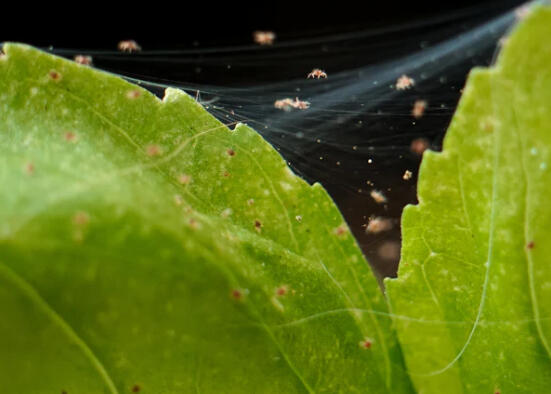
🕷️ 1. Spider Mites (Enemy #1) Spider mites are the most common and most destructive pest Alocasia face. Signs of spider mites: Tiny white, yellow, or silver speckling. Webbing between stems or leaf undersides. Edges of leaves crisping. Leaves looking faded or dusty. Drooping despite proper watering. Mites visible with a flashlight or magnifying glass. Why they love Alocasia: Dry air. Warm temperatures. Thin, tender leaf tissue. Plants in winter slowdown. How to treat spider mites: Step 1: Physical removal Rinse plant thoroughly in the shower or sink. Pay special attention to undersides and stem bases. Step 2: Use a miticide or neem oil Options: Neem oil. Insecticidal soap. Rubbing alcohol + water mix. Avid, Forbid, or other miticides for heavy infestations. Step 3: Repeat treatments Spider mites have eggs that hatch later. Treat every 3–5 days for 2–3 weeks. Step 4: Increase humidity Mites HATE humidity. Alocasia LOVE humidity. This is your biggest long-term defense.
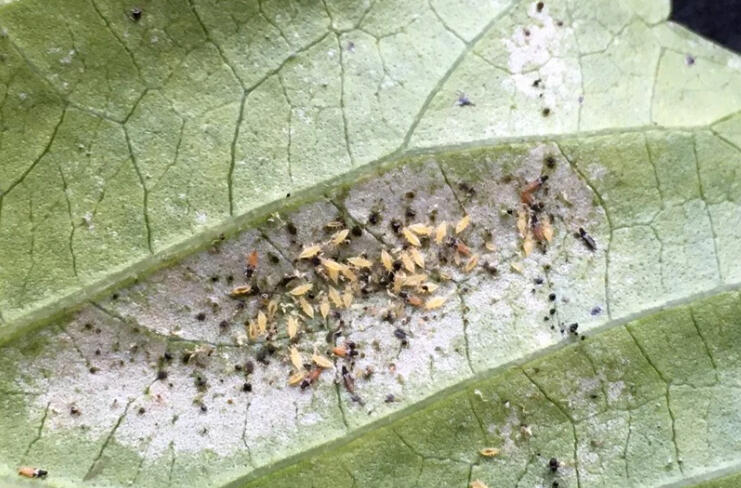
🦟2. Thrips🦟 Thrips are sneaky, fast, and love velvety Alocasia species. Signs of thrips: Silvery streaks. Distorted new leaves. Black specks (frass). Thin or papery leaf texture. Small black/brown insects on leaf undersides. Treatment: Sticky traps (blue traps are better for thrips). Neem oil or insecticidal soap. Systemic insecticides (for severe infestations). Cut off heavily damaged leaves. Thrips often require multiple treatment methods at once. 🦠Fungus Gnats🦠 Gnat issues almost always signal overwatering or dense soil. Signs: Little black flies around the soil. Larvae visible in wet topsoil. Yellowing or mushy stems. Treatment Options: Let top soil dry 1–2 inches and add a layer of vermiculite or LECA on top. Use BTi (Mosquito Bits) in water. Use sticky traps (yellow ones tend to work best). Healthy corms will survive gnats, but roots can be weakened.
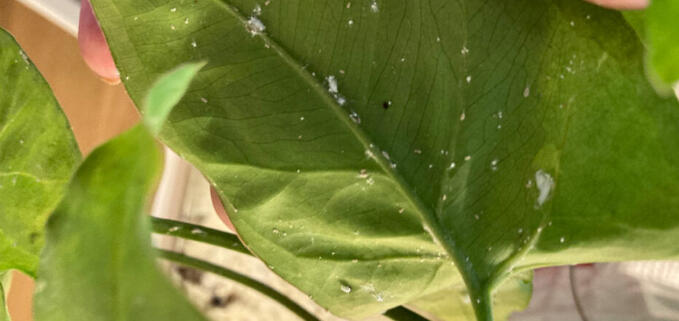
🐞4. Mealybugs🐞 Less common but still possible, especially in leaf axils. Signs: White cottony clusters. Sticky residue. Leaf tips curling or distorting. Treatment: Remove clusters manually. Treat with alcohol on a cotton swab. Follow up with neem or systemic treatment. 🐛Prevention: The True Secret to a Pest-Free Alocasia🐛 Keep humidity above 55–60%. (Low humidity = open invitation to mites) Provide bright, stable light. (Mites prefer stressed plants) Maintain consistent watering. (Underwatering = weak plants = pests) Clean leaves regularly. Dust = blocked light = slower growth = pest vulnerability. Quarantine new plants. Alocasia spread pests easily, especially mites and thrips. Add airflow A small clip-on fan dramatically reduces pest issues. 🍂Common Environmental Problems & What They Mean🍂 Many Alocasia problems are not pests — they are environmental stress signals. Below is a quick diagnostic guide for some of the most common ailments. 🍁1. Yellow Leaves🍁 Causes: Normal aging (lower leaves die off — VERY normal). Overwatering. Underwatering. Low light. Cold temperatures. Sudden light change. Fertilizer imbalance. Post-dormancy stress. How to fix: Address watering rhythm. Increase light. Keep temps stable. Check roots for rot. Stop fertilizing in winter. 🌫️2. Drooping or Limp Leaves🌫️ Causes: Underwatering. Overwatering (yes, both cause drooping!). Low humidity. Cold drafts. Root damage. Recent repotting. Dormancy onset. Solutions: Check soil moisture Ensure warmth. Improve humidity. Add gentle airflow. Keep light consistent. 🔥3. Brown Crisping Edges🔥 Causes: Low humidity. Too much direct sun. Salt buildup from fertilizer. Temperature fluctuations. Underwatering. Fix: Increase humidity. Filter harsh sunlight. Flush soil every 4–6 weeks. Water consistently. 🌀4. Curling Leaves🌀 Alocasia curl leaves as a protective mechanism. Causes: Underwatering. Low humidity. Too much light. Thrips. Heat stress. Fix: Improve humidity. Move away from intense light. Inspect for pests. Water consistently. 🍂5. Sudden Leaf Drop🍂 Causes: Temperature shock. Low light. Overwatering / root rot. Dormancy. Post-shipping stress. Repotting at the wrong time. Fix: Stabilize environment. Check the corm. Reduce watering. Increase warmth. Add grow lights. If the corm is firm, the plant will come back. ❄️6. Winter Stalls, Mini Leaves, or No Growth❄️ Causes: Dormancy. Low light. Cold soil. Overwatering. Under-feeding in active season. Fix: Add a grow light. Keep temperatures above 68°F. Reduce watering. Wait for spring (Can't believe that we had to put this one in here...lol). 🌧️
Watering-Related Problems
🌧️ Alocasia often tell you there’s a watering issue long before the soil looks suspicious. 💦1. Overwatering💦 Symptoms: Yellow leaves. Mushy stems. Fungus gnats. Black spots. Soil smells sour. Corm feels soft. Fix: Repot in fresh, airy mix. Trim rotten roots. Increase airflow. Add beneficial bacteria. 🔥2. Underwatering🔥 Symptoms: Drooping that improves after watering. Dry, crisp edges. Soil pulling away from the pot. Small new leaves. Fix: Deep watering. Improve soil water retention. Use bottom watering occasionally. 🌱
Root & Corm Problems
🌱 Since the corm is the heart of the plant, root/corm issues are critical. 🦠Root Rot🦠 Causes: Dense soil. Overwatering. Cold + wet conditions. Solutions: Remove plant from pot. Cut away mushy roots. Apply cinnamon or fungicide. Repot in chunky aroid mix. Provide warmth and light. 🌰Soft or Mushy Corm🌰 This is an emergency!!! Causes: Prolonged rot. Very cold temperatures. Overwatering in winter. Bacterial/fungal infection. Fix: If part of the corm is still firm: Cut off mushy areas. Dust with cinnamon. Let callous for 24 hours. Place in warm sphagnum until new roots appear. If the whole corm is mushy... the plant cannot be saved. 🌞
Light-Related Problems
🌞 ☀️Leaf Burn / Scorching☀️ Causes: Direct afternoon sun. Too close to grow lights. Sudden move from shade to sun. Fix: Filter or reduce light. Raise grow lights. Acclimate plants gradually. 🌑Stretching / Leggy Petioles🌑 Causes: Low light. Light too far away. Too many obstructions (crowded plant shelf). Fix: Move closer to the window. Add grow lights. Rotate the plant regularly. 🌟The Golden Rule of Alocasia Problem-Solving🌟 Alocasia problems almost always trace back to one or more of 5 things: Pests, Light, humidity, temperature, or watering. Fix the environment: the plant rebounds. Fix the root cause: leaf size increases. Fix the routine: pests become rare. Alocasia are expressive plants — and once you learn their language, you’ll be able to diagnose and correct issues quickly and confidently. 🌟Concluding Tips for Thriving Alocasia🌟 Alocasia may have a reputation for being dramatic, but once you understand their rhythm, they become some of the most rewarding plants you can grow. Their bold leaves, tropical architecture, and expressive nature make them true standouts in any space - and with consistent care, they will reward you with steady growth, new pups, and the kind of transformation that keeps plant parents hooked. 🌱1. Consistency Beats Perfection🌱 Alocasia don’t need perfect conditions - they just need stable ones. They thrive when: Light stays bright and predictable. Humidity stays above 55–60%. Temperatures remain warm. Watering follows a rhythm, not a schedule. Soil is breathable and airy. Fluctuations stress them far more than “less than ideal” settings. 💡2. Focus on the Environment, Not the Symptoms💡 Almost every problem Alocasia experience ties back to 5 core factors: Light. Temperature. Humidity. Moisture balance. Pests. If something looks off — yellow leaves, crispy edges, curling, drooping - check the environment first and than the plant. Fixing those factors solves 90% of issues. 🌿3. Don’t Fear Dormancy🌿 Dormancy is not death — it’s an ancient survival strategy. A leafless Alocasia with a firm corm is simply sleeping. Keep the soil lightly moist. Provide gentle warmth. Add bright light. Wait patiently for spring. With the right care, they’ll wake up bigger and stronger than before. 🪴4. Healthy Roots = Healthy Leaves🪴 Your Alocasia’s beauty starts underground. Chunky aroid mix prevents rot. Warm roots encourage growth. Good airflow keeps roots oxygenated. Proper pot size prevents soggy soil. If the roots and corm are healthy, the leaves will follow. 🔧5. Learn Your Plant’s Language🔧 Alocasia are highly communicative. They will quickly tell you: When they want more light. When they’re thirsty. When humidity is too low. When they’re stressed. When they’re cold. When they want to grow. And when they need a break Watching and responding to their cues is the true art of Alocasia care. 🧪6. Warmth + Light = Bigger Leaves🧪 Almost everything Alocasia do - from leaf size to pup production - improves dramatically under: Bright, indirect light. Consistent warmth. Stable humidity. When environmental factors are aligned, their leaves get larger, fuller, and more architectural. 💧7. Water Deeply But Wisely💧 Alocasia don’t like constantly wet soil, but they do appreciate: Deep watering. Quick drainage. Slight drying between cycles. This rhythm mimics tropical rain patterns and helps prevent both root rot and dehydration. 🧼8. Keep Leaves Clean + Airflow Moving🧼 Clean leaves and a gentle breeze keep pests at bay and maximize photosynthesis. Wipe leaves every few weeks. Keep dust off velvety species. Add a low-speed fan nearby for airflow. Quarantine new plants. Healthy leaves are more resistant to mites, thrips, and fungus! 🌱9. Let Pups Grow Before Separating🌱 If you want strong plants and big leaves - allow pups to mature naturally before removing them. Pups help the mother corm grow stronger, and early removal can stall the plant’s progress. 💗10. Don’t Stress About Imperfection💗 Every Alocasia loses leaves. Every Alocasia will have a “bad week.” Every Alocasia faces pests or stress occasionally. These plants are cyclical, reactive, and expressive. They will bounce back from almost anything as long as: The corm stays firm. They receive proper care. You stay patient and attentive. Their resilience is part of what makes them so special. 🌿Final Thoughts: Enjoy the Journey🌿 Alocasia are not “difficult” plants - they’re just plants that expect you to listen. They reward consistency, patience, and a willingness to learn. When you tune into their cues, you’ll discover that caring for them becomes deeply satisfying and strangely intuitive. Grow them with: Curiosity. Attention. Respect for their natural cycles. …and they will thrive in your care. Whether you're an Alocasia beginner or a seasoned collector curating rare hybrids, the joy of watching these plants flourish is worth every bit of effort. Big leaves, bold shapes, dramatic personalities - that’s the magic of Alocasia.
BONUS #1
🌿