Care LibraryFundamentals
Water Quality & Its Effects on Houseplants
July 30, 2026 · 5 min read
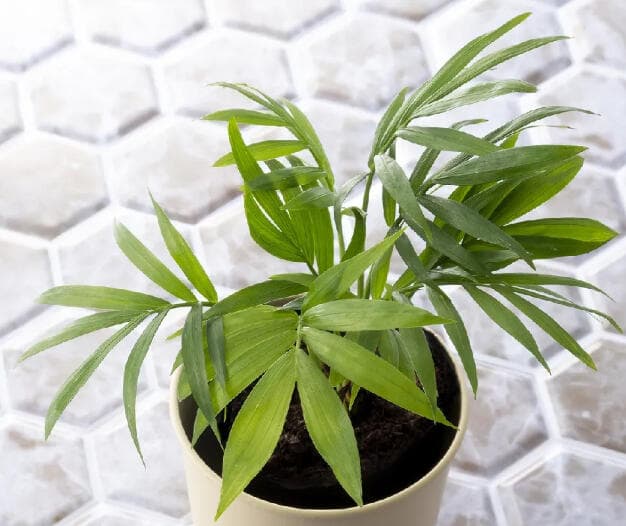
Tap Water vs. Distilled vs. Rainwater vs. Filtered: What’s Best for Your Plants? You’ve picked the perfect pot, the ideal soil mix, and found just the right spot by the window. If you’re still watering your beloved tropical houseplants straight from the tap without a second thought you could be sabotaging all your good intentions. Not all water is created equal, and the quality of water you use can have a major impact on the long-term health of your plants. Let’s break down the different water types, what they contain (or don’t), and how they affect your tropical green companions (especially sensitive ones like Calatheas, Alocasias, and Hoyas). Tap water is easily accessible and convenient, but it often contains chlorine, fluoride, and other dissolved minerals that can accumulate in the soil over time. While many houseplants can tolerate these additives, more sensitive species may show signs of distress (i.e. browning leaf edges or slowed growth). Hard water areas are particularly notorious for high mineral content, which can cause salt buildup and affect soil pH. For plants that already have fussy root systems or thinner leaves, this type of stress can be enough to halt progress or cause long-term damage. Distilled water, on the other hand, is entirely free of minerals, salts, and chemicals. It provides a neutral and predictable base for watering, making it ideal for delicate or rare tropicals. The downside is that it lacks naturally occurring micronutrients found in other water sources, so it’s best used in conjunction with a well-balanced fertilization schedule. Still, for plant parents dealing with sensitive species like Alocasias or rare Calatheas, it’s often a reliable choice to eliminate water-related guesswork. Rainwater is another excellent option (often considered nature’s perfect formula). It’s soft, slightly acidic, and contains trace organic matter that tropicals adore. Collecting rainwater is also environmentally friendly and cost-effective. Just be sure to use a clean collection system and avoid runoff from chemically treated roofs or gutters. Filtered water falls somewhere in between, removing many harmful contaminants while still retaining some beneficial minerals. For most plant parents, this strikes a healthy balance between convenience and quality (especially when using pitcher-style filters or under-sink systems). In short, while tap water might be “good enough” for some hardy plants, tropical houseplants, particularly finicky varieties, thrive best with a bit more consideration. Upgrading your water source is one of the easiest ways to improve plant health and prevent mystery problems down the road. Once you’ve dialed in your water quality, you might be surprised at how much happier and more resilient your green friends become. 🚿Tap Water: Convenient, but Is It Safe? Most common option but often the least plant-friendly. 🔬 What’s in It? Tap water contains minerals like calcium and magnesium (which can be beneficial in small amounts), but also additives like chlorine, chloramine, and sometimes fluoride, which can be harmful over time. ❌ Common Issues: Brown tips on leaves (especially on Calatheas and Spider Plants) Salt and mineral buildup in soil Sensitive plants may show stress over time. ✅ When It’s OK: Hardy plants like Pothos, Snake Plants, ZZ Plants, and Philodendrons generally tolerate tap water. Let it sit out for 24–48 hours to allow chlorine to evaporate (this doesn’t work for chloramine, unfortunately). 💦 Distilled Water: Ultra-Pure but Not Nutrient-Rich Pure H₂O—no minerals, no additives, no contaminants. 🔬 What’s in It? Nothing. Distilled water is created by boiling water into steam and then condensing it back to liquid. It’s as pure as it gets. ✅ Pros: Great for very sensitive plants like Calatheas, Alocasias, Ferns, and Anthuriums Eliminates the risk of chemical or mineral burn No residue left in soil or on leaves ❌ Cons: Contains no beneficial minerals May lead to nutrient deficiencies over time if used exclusively Cost and accessibility can be a downside for larger collections 🪴Best Practice: Use for sensitive plants or rotate with filtered/rainwater to prevent deficiency. Always fertilize consistently if using distilled long-term. 🌧️ Rainwater: Nature’s Perfect Drink Free, soft, and nutrient-rich when collected properly. 🔬 What’s in It? Rainwater is naturally soft and often contains organic matter and trace minerals picked up from the atmosphere — which can benefit plants. It’s the closest thing to what your plants would get in the wild. ✅ Pros: Excellent for all tropical houseplants Contains trace nutrients Helps flush excess salts from soil Gentle pH, usually around 5.5–6.5 ❌ Cons: Collection required (barrel, bucket, or rain chain setup) Urban areas may see pollution in rainwater Needs to be stored safely to avoid mosquito larvae or algae buildup 🪴Pro Tip: Use a mesh screen or fine cloth to filter before storage. Always use food-safe barrels. 🚰 Filtered Water: A Happy Medium Cleaner than tap, easier than rainwater, and safer than distilled (nutrient-wise) 🔬 What’s in It? Most filters remove chlorine, chloramine, heavy metals, and sediment while often leaving beneficial minerals behind. ✅ Pros: Removes harmful chemicals and metals Retains essential minerals (in most cases) Improves water quality without stripping it bare Available from pitchers (like Brita), under-sink filters, or whole-house systems ❌ Cons: Not all filters remove fluoride Filter cartridges need to be replaced regularly Can still get expensive over time 🪴Best Practice: Use filtered water for mid-sensitive plants like Hoyas, Anthuriums, or Monsteras. Great balance between safety and nutrition. 🧪Quick Comparison Chart🧪
| Water Type | Removes Chemicals | Contains Nutrients | Safe for Sensitive Plants | Easy to Access | Cost |
|---|---|---|---|---|---|
| Tap | No | Yes (too much) | No | Yes | $ |
| Distilled | Yes (all) | No | Yes | Yes (store-bought) | $$ |
| Rainwater | Yes (natural) | Yes (trace) | Yes | No | Free |
| Filtered | Yes (some) | Yes (most) | Yes | Yes | $$ |
🌿Final Thoughts: What’s Right for Your Plants?🌿 Tap water: only if your plants are hardy, or if you let it sit out overnight (and know your local water quality is decent). Distilled water: is a safe haven for sensitive species, but don’t forget to supplement. Rainwater: is a plant’s dream drink... just keep it clean and safe. Filtered water: strikes the perfect balance for most plant parents: better quality, lower risk, and easy to manage. Still not sure what water to use? When in doubt, filtered or rainwater is usually your best bet.