Care LibraryFundamentals
Understanding Light
July 30, 2026 · 3 min read
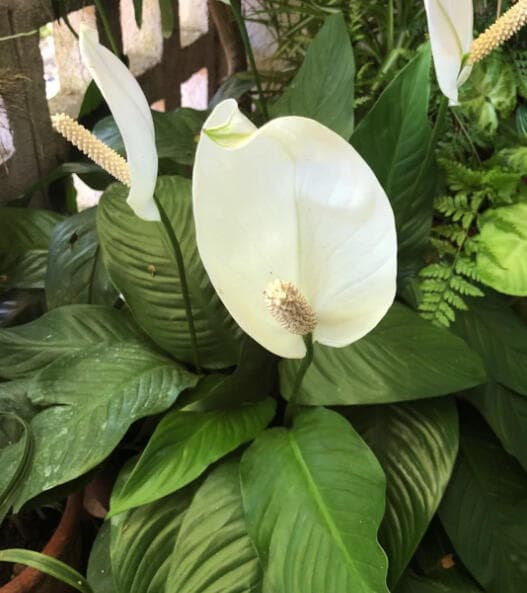
🌞Understanding Light🌞 Bright Indirect vs. Low Light vs. Direct Sun A beginner’s guide to decoding light levels for happy, healthy tropical plants. When it comes to caring for tropical houseplants, few things are as misunderstood—or as important—as light. While watering and humidity are crucial, getting the lighting right can make the difference between a thriving plant and one that’s just barely surviving. In this article, we’ll break down the three most commonly used terms: bright indirect light, low light, and direct sunlight. We’ll explain what each one really means, how to measure and provide it, and which tropical plants prefer which type. Photos and visual tips are included to make it super clear. ☀️Direct Sunlight☀️ Definition: Light that comes straight from the sun and lands directly on your plant without passing through curtains, blinds, or being reflected off other surfaces. Where You Find It: South-facing windows (Northern Hemisphere)Outdoor patios, sunrooms, or window sills with no obstructions Midday sun between 10 AM – 4 PM Pros: Best for cacti and succulents. Encourages fast growth in sun-loving plants. Can trigger blooming in light-hungry species Cons: Can cause leaf burn in most tropical plants. Dries out soil quickly. Increases plant water and nutrient demand Tropical Plants That Can Tolerate Some Direct Sun: Bird of Paradise Croton Banana plants (Musa) Some Alocasias (e.g., Alocasia ‘Regal Shield’) Tips to Manage It: Use sheer curtains to soften harsh rays Rotate plants to avoid sun scorch on one side Move plants back a few feet from the window during summer 🌤 Bright Indirect Light 🌤 Definition: Sunlight that reaches your plant but is filtered through a curtain, bounced off a wall, or diffused naturally before it hits the leaves. Where You Find It: East-facing windows (gentle morning sun), near (not in) south or west windows, rooms with skylights, frosted glass, or light-colored walls. Pros: Ideal for most tropical houseplants. Mimics understory jungle conditions. Reduces risk of leaf burn Cons: Can be tricky to gauge without a light meter. May need adjustment during winter. Tropical Plants That Love Bright Indirect Light: Monstera deliciosa Philodendrons Anthurium Hoya Calatheas and Marantas Peace Lilies Tips to Achieve It: Hang sheer curtains or blinds, place plant 2–4 feet away from a bright window and use a white wall or mirror to reflect light into darker corners 🌥 Low Light 🌥 Definition: Indirect light that’s far from any window or filtered through multiple barriers. You can still see without turning on a light during the day, but the space may feel dim. Where You Find It: North-facing windows, rooms with small or shaded windows, corners or hallways away from window and offices with ambient lighting Pros: Great for darker homes or winter months, works for tough and adaptable plants and slower growth means less frequent maintenance Cons: Slower growth rate, increases the risk of overwatering and limited plant selection Tropical Plants That Tolerate Low Light: ZZ Plant (Zamioculcas zamiifolia) Snake Plant (Sansevieria) Pothos (especially Golden and Marble Queen) Aglaonema (Chinese Evergreen) Cast Iron Plant (Aspidistra) Tips to Improve It: Use grow lights during short winter days, clean leaves regularly to improve photosynthesis and rotate plants to expose all sides to any available light. 💡Bonus Tip💡 How to Tell What Kind of Light You Have Test with shadows: Put your hand between the sun and the surface where your plant would sit. Sharp shadow = direct sun Fuzzy shadow = bright indirect No defined shadow = low light Use a light meter: Inexpensive digital lux meters on Amazon can measure light levels in lux. Direct Sunlight: 40,000–100,000 lux Bright Indirect Light: 10,000–20,000 lux Low Light: 500–2,500 lux 👉 Amazon Recommendation: Dr. Meter Digital Light Meter – reliable and budget-friendly
Some links in this guide are affiliate links. If you buy through them we may earn a small commission — it costs you nothing and helps keep these guides free.