Care LibraryFundamentals
Fertilizing Basics
July 30, 2026 · 3 min read
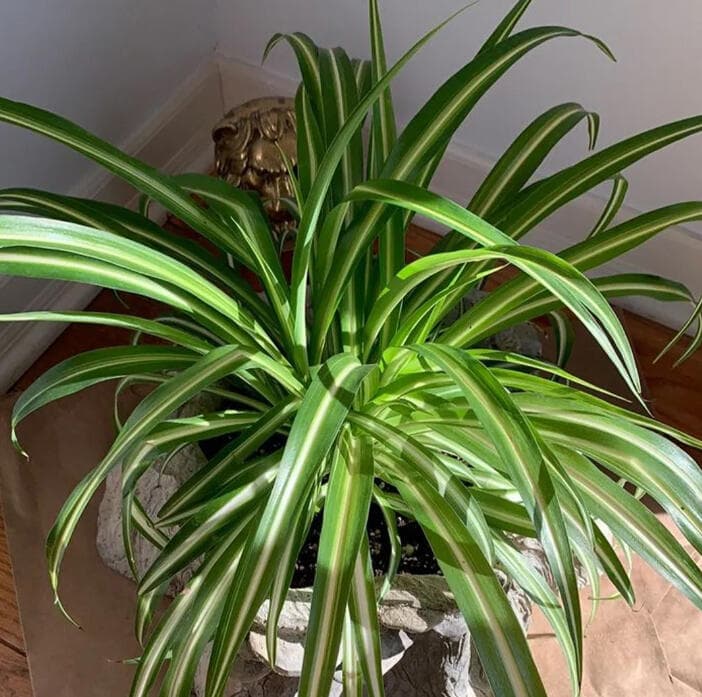
🌿Fertilizing Basics for Tropical Houseplants🌿 How Often? What Kind? Which Plants Are Heavy Feeders? Tropical houseplants are gorgeous, fast-growing, and vibrant—but all that growth requires fuel. That’s where fertilizer comes in. Just like humans need balanced meals, tropical plants need a steady supply of nutrients to maintain lush leaves, vibrant colors, and new growth. But not all plants eat the same, and too much of the wrong kind of fertilizer can do more harm than good. This guide will walk you through how often to fertilize, which type of fertilizer works best for each plant family, and which of your plants are hungriest for nutrients. 🌱Why Fertilizing Matters🌱 Most potting soil contains a small nutrient reserve, but it’s quickly depleted—especially for tropicals in active growth phases. Fertilizer replaces these spent nutrients, delivering nitrogen (N), phosphorus (P), and potassium (K), as well as micronutrients like calcium, magnesium, and iron. When done right, you’ll see: Faster & fuller growth Brighter & healthier foliage More resistance to disease and pests 📅How Often Should You Fertilize?📅 Seasonal Fertilizing Frequency Spring & Summer - Every 2–4 weeks (active growth) Fall - Every 4–6 weeks or reduce dose Winter (Dormant) - Stop or once every 6–8 weeks Pro Tip: Always water your plant first, then fertilize. Fertilizing dry soil can lead to root burn. 🧬Fertilizer by Plant Family🧬 🌿*Araceae (Philodendron, Monstera, Alocasia, Pothos, Anthurium)🌿 These are moderate to heavy feeders that like a balanced fertilizers with a bit of extra nitrogen. Recommended Fertilizer: ✅ Dyna-Gro Grow 7-9-5 Liquid Plant Food – A cult favorite in the houseplant world for steady foliage growth. Frequency: Every 2–4 weeks during growing season Special Note: Alocasia and Anthurium love calcium and magnesium - consider adding Cal-Mag monthly. ✅ Botanicare Cal-Mag Plus 🌸Gesneriaceae (African Violet, Episcia)🌸 These bloomers need phosphorus for flowers and potassium for root health! Recommended Fertilizer: ✅TPS NUTRIENTS African Violet Fertilizer – Great for flowering tropicals. Frequency: Every 2–3 weeks during blooming phase Special Note: Avoid foliar feeding—these plants dislike moisture on their leaves. 🍃Apocynaceae (Hoya)🍃 Hoyas are light feeders but bloom best with a high-phosphorus formula. Recommended Fertilizer: ✅ Jack’s Classic Blossom Booster 10-30-20 2pk – Promotes stunning blooms. Frequency: Monthly when not blooming; biweekly during bloom season. Special Note: Flush soil every 6–8 weeks to avoid salt buildup. 🐍Marantaceae (Calathea, Prayer Plant, Stromanthe)🐍 These plants are sensitive to chemical buildup, so go gentle and use diluted feed. Recommended Fertilizer: ✅ Espoma Organic Indoor Plant Food (2-2-2) – Gentle and organic. Frequency: Every 3–4 weeks Special Note: Use filtered or distilled water to avoid leaf damage. 🍃Piperaceae (Peperomia)🍃 These plants are low feeders—too much fertilizer can cause leaf burn or legginess. Recommended Fertilizer: ✅ Liquidirt All-Purpose Plant Food – Very low risk of overfertilizing; great for beginners. Frequency: Every 4–6 weeks Special Note: Skip fertilizing in winter entirely. 🍂Outlier Family: Araliaceae (Schefflera, Dizygotheca)*🍂 These need more potassium and can grow quickly with the right feeding. Recommended Fertilizer: ✅ Schultz All Purpose Plant Food 10-15-10 Frequency: Every 2–3 weeks. Special Note: Great option for faster bushy growth. 🧠
Quick Tips for Fertilizing Success
🧠 Less is more: Always start at half-strength if you're unsure.Observe your plant: Pale leaves? Might need nitrogen. No new growth? Might need a boost. Use slow-release fertilizer for convenience: ✅ Osmocote Smart-Release Plant Food – Lasts 3–4 months. 🪴
Wrap-Up: Feed to Thrive
🪴 Fertilizing tropical houseplants isn’t one-size-fits-all. Each plant family has different needs—but when you match the right fertilizer with the right plant, you unlock their full potential. From glossy philodendron leaves to blooming hoyas and vibrantly striped calatheas, the results are well worth the effort.
Some links in this guide are affiliate links. If you buy through them we may earn a small commission — it costs you nothing and helps keep these guides free.