Care LibraryFundamentals
DIY Tropical Plant Soil
July 30, 2026 · 4 min read
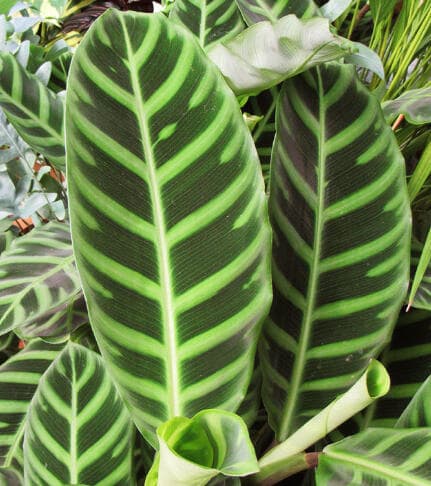
🪴DIY Tropical Plant Soil🪴 NOTE: It seems that every collector has their own specific mixture that they prefer to use. These are the ones that we prefer to use. Don’t be afraid to experiment with other mixes and develop your own. 🪴Aroids🪴 (For Monstera, Philodendron, Anthurium, Epipremnum, and Syngonium) Aroids are beloved for their beautiful foliage and dramatic growth, but they also share a key trait underground—their roots thrive in loose, chunky, and well-aerated substrates. Native to rainforest floors and tree canopies, these plants hate sitting in soggy soil. The right mix helps avoid root rot, supports strong growth, and mimics their natural environment. 🧪Recommended Aroid Soil Mix🧪 Classic Aroid Mix (Soil-Based): Note: This is not our recommended medium for aroids 40% High-quality potting soil (like Espoma Organic Potting Mix) 30% Orchid bark (fine to medium chunks) 15% Perlite or pumice 10% Coco coir (hydrates and adds moisture retention) 5% Activated charcoal (for odor & toxin control) Optional Boosters: A handful of worm castings or slow-release fertilizer granules (such as Osmocote) 🪴Soilless Aroid Mix🪴 (Ideal for collectors or rarer cultivars) 40% Sphagnum moss (long fiber) 30% Fine-grade orchid bark 20% Perlite or pumice 10% Horticultural charcoal 🌱 Ideal Plants for These Mixes🌱 Philodendron: Pink Princess, Gloriosum, White Knight, Micans, Brasil Monstera: Deliciosa, Adansonii, Thai Constellation Anthurium: Clarinervium, Crystallinum, Forgetii Pothos / Epipremnum: Golden Pothos, Marble Queen, Cebu Blue Syngonium: Podophyllum, Pink Splash, Confetti 🛒 Where to Get Your Supplies 🛒 Organic Potting Mix Orchid Bark Perlite Coco Coir Bricks Horticulture Charcoal Long Fiber Sphagnum Moss Worm Castings 💡Pro Tips💡 Always pre-moisten your mix before potting up. Mix in a large tub and store leftovers in a sealed container. For rare aroids, err on the side of more aeration. If your home is very humid, cut back on moisture-retaining ingredients like coco coir or moss. 🌱Hoyas🌱 For Hoya carnosa, pubicalyx, obovata, compacta, kerrii, linearis, and more Hoyas—sometimes called “wax plants”—are epiphytic or semi-epiphytic climbers that hail from Southeast Asia and Australia. These tropical beauties love to stretch out their roots in open, airy mediums, not dense or soggy soil. A well-draining, semi-hydro mix is often ideal and can help these plants thrive and bloom. 🧪Recommended Hoya Soil Mix🧪 Classic Hoya Mix (Soil-Based): 30% Cactus or succulent mix (or Espoma Cactus Mix) 30% Orchid bark (medium-grade) 20% Perlite or pumice 10% Coco coir or coconut chips 10% Horticultural charcoal This mix retains a little moisture but prioritizes fast drainage—ideal for most carnosa and pubicalyx types. 🫧Soilless Hoya Mix🫧 (Preferred for rare/hard-to-root varieties) 40% LECA or chunky perlite 30% Orchid bark 20% Sphagnum moss (or coco husk) 10% Charcoal This is ideal for Hoya linearis, serpens, or cultivars like Hoya Callistophylla that are sensitive to overwatering. You can also root Hoyas directly in semi-hydro systems (like LECA) with nutrient water reservoirs and great results. 🌱Hoyas That Love These Mixes🌱 Easy growers: Hoya carnosa, compacta, pubicalyx, krimson queen, tricolor Rare types: Hoya linearis, curtisii, callistophylla, serpens, polyneura, deykei Variegated forms: Krimson Princess, Variegated Wayetii 🛒Where to Get Your Supplies🛒 (Amazon picks for easy shopping) Espoma Cactus Mix Orchid Bark LECA Clay Pebbles Perlite Coconut Chips Horticulture Charcoal Long Fiber Sphagnum Moss 💡Pro Tips💡 Don’t compact your Hoya mix—these roots love oxygen. Use clear nursery pots so you can watch the root system and moisture level. Fertilize lightly during the growing season for optimal blooms. Let the soil dry out almost fully before watering, especially in winter. Alocasias For Alocasia Polly, Frydek, Maharani, Dragon Scale, Silver Dragon, and other jewel and elephant ear types Alocasias are dramatic tropical plants prized for their striking leaves and sculptural form. But they’re also a bit notorious for being finicky — especially when it comes to their soil. The right mix can prevent root rot, promote healthy corm development, and support their preference for bright humidity without suffocating roots. 🧪Recommended Alocasia Soil Mix🧪 Note: This is not our recommended medium for aroids Alocasia Chunky Moisture-Balanced Mix: 30% High-quality potting soil (FoxFarm or Happy Frog preferred) 25% Orchid bark (medium to fine grade) 20% Perlite (or pumice) 15% Coconut coir (or finely shredded coco chips) 10% Worm castings or compost This blend strikes a balance between moisture retention and airflow, ideal for most Alocasia species, especially Polly and Amazonica. 🌱Recommended Alocasia Soilless Mix 🌱 Corm, Jewel Varieties and all other alocasia varieties 40% Orchid Bark Mulch 20% Chunky Perlite 20% Coconut chips or Coco Coir 10% Worm Castings 10% Charcoal This soilless mix is perfect for rooting Alocasia corms or supporting sensitive jewel varieties that dislike wet feet but still need humidity. Alocasias That Thrive in These Mixes Common types: Alocasia Polly, Amazonica, Zebrina, Regal Shield Jewel types: Silver Dragon, Dragon Scale, Maharani, Black Velvet Large-leaf varieties: Odora, Portodora, Sarian, Macrorrhiza 🛒Amazon Picks for the Perfect Mix🛒 FoxFarm Ocean Forest Potting Soil Orchid Bark Coarse Perlite Coconut Coir Brick Sphagnum Moss Worm Castings Horticultural Charcoal 🪴Alocasia Soil Tips for Beginners🪴 Never let Alocasia sit in soggy soil – drainage is essential. Water only when the top 2–3 inches of soil are dry. If your home is dry, consider adding moss around the base or placing the pot on a pebble tray. These plants love heat and humidity—aim for 60%+ and warm temps. In winter, reduce watering and expect some leaf drop (dormancy is normal).
Some links in this guide are affiliate links. If you buy through them we may earn a small commission — it costs you nothing and helps keep these guides free.