Care LibraryAroids
Understanding Alocasia: Light and Water
July 30, 2026 · 10 min read
Part 1 of 6
The Ultimate Alocasia Guide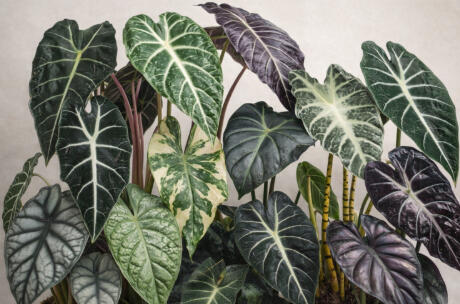
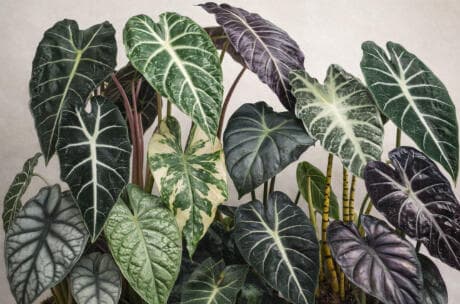
🌿 Alocasia are the divas of the plant world - stunning, moody, sensitive, and absolutely worth the effort. Whether you’re a seasoned collector or a new plant parent who has fallen in love with those dramatic arrow-shaped leaves, Alocasia offer endless fascination. They can be incredibly rewarding once you understand what they’re trying to tell you. Known for their bold veins, velvety leaves, striking textures, and sometimes massive jungle-vibes, they are truly living art pieces. But behind that beauty lies a plant shaped by the rainforest: a plant that demands consistency, humidity, bright filtered light, and, above all, patience. This guide will help you understand not only how to care for Alocasia, but why they behave the way they do — and how to help your collection thrive. 🌱
Understanding the Alocasia
🌱
Origins & Natural Habitat
Alocasia are native to Southeast Asia, Eastern Australia, and tropical island forests. Their natural environment is hot, humid, and full of filtered, dappled light under the rainforest canopy. The forest floor is moist but never swampy, and the seasons alternate between monsoon rainfall and drier periods. Understanding this helps explain nearly all of their care needs: They love humidity. They hate cold drafts. They want bright light - but not harsh direct midday sun. They grow actively in warm seasons and slow down or go dormant during cooler months. Anatomy & What Makes Them Unique Alocasia have some features that make them different from other aroids: Corms: These underground storage organs hold energy, similar to bulbs. They allow Alocasia to drop leaves during stress and regrow later. Petioles: Long stems that support those iconic leaves. Veins: Often silver, white, neon green, or deeply etched depending on the species. Runners/Pups: Many species produce small “baby” plants — pups — from corm offsets. Common Collector Species There are over 90 species and countless hybrids. A few popular ones include: Alocasia Amazonica (Polly) – striking, high-contrast veins Alocasia Frydek – velvety, deep green with light neon veins Alocasia Silver Dragon / Dragon Scale – textured, reptile-like leaves Alocasia Cuprea – metallic, reflective sheen Alocasia Melo – thick, almost stone-like textured leaves Giant varieties like Portora and Macrorrhiza can grow enormous outdoors Rare collectors often hunt down unique hybrids and uncommon morphology types — from dark-veined forms to highly textured varieties. 💡
Alocasia Care Requirements
💡 Caring for Alocasia comes down to mastering consistency. When you meet their needs, they reward you with explosive growth. ☀️
Light Requirements for Alocasia
☀️ If humidity is the heart of Alocasia care, light is definitely the lungs. These plants evolved under the dappled, filtered canopy of tropical forests, where sunlight is bright but rarely direct. That natural environment tells us almost everything we need to know about how to keep them happy indoors. Alocasia Prefer Bright, Indirect Light Here’s Why In the wild, Alocasia grow beneath tall trees that buffer harsh rays, allowing only softened sunlight to reach the forest floor. Their leaves are built for gathering a lot of light energy, but not for taking the full brunt of midday sun. When the light level is right, you’ll see: Strong, sturdy petioles Bold, defined venation Steady growth and new leaves unfurling. Healthy, vibrant coloration When the light is wrong, Alocasia will tell you fast — often long before other plants complain. 🌧️What Happens in Too-Low Light🌧️ Alocasia often look “sad” in low light, and show it in predictable ways:
- Leaf Yellowing Not to be confused with overwatering — yellowing can also come from insufficient photosynthesis. When the plant can’t make enough energy, it begins sacrificing older leaves to conserve resources.
- Leggy, Stretched Petioles Instead of compact leaves, you’ll see: Long stems Leaves reaching toward the nearest window Drooping or weak stems This stretching is a survival move — the plant is literally searching for sunlight.
- Pest Vulnerability Alocasia in low light attract pests like spider mites more easily. A stressed plant produces less natural defense compounds, making it an easy target. 🔆What Happens in Too-Harsh Light🔆 Direct sun, especially from the afternoon west-facing windows, can scorch those dramatic leaves. Signs include: Crispy brown edges Faded patches Bleached or pale coloration Sudden limpness from heat stress Even “sun-tolerant” varieties like Portora or Odora can burn indoors when pressed against hot glass. Tip: If your Alocasia gets direct sun for more than 45 minutes a day, consider filtering it with a sheer curtain. 🌤️Best Indoor Light Locations🌤️
- East-Facing Windows (Ideal Spot) Gentle morning sun Bright light the rest of the day Low risk of burning Perfect for nearly all Alocasia species, especially velvety types like Frydek or Black Velvet.
- North-Facing Windows Great for: Smaller species Plants sensitive to strong sun. Homes with naturally bright ambient light. North windows often pair well with a grow light during winter.
- A Few Feet from a Bright South or West Window Distance is your friend here. Place Alocasia 3–6 feet away to avoid direct rays. West windows can be intense, so more distance or a sheer curtain helps. South windows offer excellent year-round brightness if you avoid direct exposure. This is the sweet spot for: Dragon Scale Melo Cuprea Imperial giants like Macrorrhiza
- Under Grow Lights (Their Absolute Favorite) Alocasia respond incredibly well to grow lights. Benefits: Consistent brightness Strong, compact growth Faster leaf production Reduced pest risk Predictable growth cycles Grow light tips: Keep the light 12–18 inches above the plant. Run for 10–12 hours per day. Avoid harsh or hot bulbs. Full-spectrum LED is best. Grow lights are especially useful during: Winter Dormancy recovery Propagation 🚫Locations to Avoid🚫
- Full Afternoon Sun This is the strongest, hottest sunlight of the day. It can burn delicate Alocasia leaves within hours. If all you have is a west-facing window: Use a sheer curtain. Move the plant back several feet. Rotate regularly to avoid one-sided growth.
- Corners Far From Windows These are “plant dead zones.” Symptoms: Very slow growth. Thin leaves. Sudden dormancy. Increased spider mites. Alocasia are not low-light plants — and they’ll tell you quickly when they’re unhappy. 📘**The “Book Test”**📘 Perfect Placement A simple, almost "foolproof" method: If you can comfortably read a book without turning on a lamp, your Alocasia can thrive there. This works because: Human eyes adjust easily, but reading-level brightness indicates sufficient PAR (photosynthetically active radiation). It’s a good rule of thumb when exact light measurements aren’t practical or available. Even better: use the book test and place your hand between the plant and the light source. If it casts a soft, blurry shadow→ good light. If the shadow is very faint → too dim. If the shadow is sharp and defined → too strong. 💧
Watering & Moisture for Alocasia
💧 Watering is the part of Alocasia care that scares most people — and for good reason. These plants are moisture-loving but extremely sensitive to the wrong kind of moisture. Understanding how their corms and roots work will help you water confidently instead of nervously guessing. Alocasia evolved in tropical forests where soil stays moist, airy, and well-draining. They’re used to frequent rain, rapid drainage, and constant airflow. When we recreate these conditions indoors, they respond with strong roots, fast growth, and happy leaves. When we don’t… they yell at us. Let’s break it down! 🌱How Alocasia Roots and Corms Handle Water🌱 Alocasia grow from corms, which act like tiny storage batteries. These corms hold water, energy, and nutrients, helping the plant survive during: Seasonal dryness Temperature drops Stress Dormancy Because corms store water, Alocasia do not want soggy soil around them. Too much water suffocates the corm, leading to: Rot Pests Collapse of petioles Sudden dormancy But on the flip side… Alocasia roots are extremely thin and fast-growing, and they hate drying out too much. Repeated dehydration weakens them, causing: Limp leaves Curling Slow growth Smaller corms Pests (especially spider mites) So the mission is a moist but breathable root zone. 💧How to Water Alocasia Properly💧
- The “Top 1-2 Inch Test” Let the top inch or two of soil dry before watering again. Stick your finger in the soil If the surface is dry but the lower soil still feels cool or damp → it’s the perfect time If the top 2 inches are dry and the pot feels light → water soon This prevents waterlogging while keeping the main root zone moist.
- Water Deeply - Don’t Dribble When you water, water thoroughly until it comes out of the drainage hole. Why this matters: Deep watering encourages deep root growth. Shallow, frequent watering creates weak roots. Deep watering flushes out fertilizer salts. After watering: Let the pot drain fully Never leave the plant sitting in water for an extended timeframe
- Adjust Watering by Season Growing Season (Spring + Summer + Early Fall) Water more frequently — the plant is drinking Soil may dry out quickly because of heat, growth, and transpiration Leaves may droop slightly right before watering time Dormant Season (Late Fall + Winter) This is where most people overwater. Signs your Alocasia is entering dormancy: Slowed growth Smaller leaves Petioles leaning or relaxing Soil staying wet longer During dormancy: Let it dry more between waterings. Water only when the pot is noticeably lighter. Don’t try to “force” growth with extra water. Reduce humidity swings. A dormant Alocasia may lose most of its leaves — this is normal. As long as the corm is firm, it will regrow when conditions improve. 💦Signs You’re Overwatering💦 Overwatering is the most common Alocasia problem. Symptoms: Yellow lower leaves. Soft or mushy stems near the base. Mushy or dark corms. The soil smells sour or “swampy”. Fungus gnats everywhere. Persistent soil wetness. If this happens: Remove the plant from its pot. Inspect the corm for rot (black, mushy sections). Trim damaged roots. Repot in a chunkier mix. Increase airflow. This rescue works often - their corms are surprisingly resilient!!! 🔥Signs You’re Underwatering🔥 Underwatering is less common, but Alocasia hate it, too. Symptoms: Dramatic drooping. Curling or folding leaves. Crispy edges. Soil pulling away from the pot. Small, misshapen new leaves. Slowed or halted growth. If you underwater repeatedly: The corm shrinks. Root hairs die off. Pest pressure increases. Dormancy may start prematurely. To fix: Water deeply and slowly to rehydrate the root ball. Consider bottom watering occasionally (we do this as a normal way of watering). Add more organic matter for moisture retention. 🌧️How to Fine-Tune Watering Based on Environment🌧️
- Humidity Level Low humidity → soil dries faster High humidity → soil stays moist longer If your home is 30% humidity: Water more frequently. Use a humidity tray or humidifier. If your humidity is 60–70%: You can stretch watering intervals
- Pot Type Alocasia react very differently depending on the pot. Plastic pots: Retain moisture longer. Great for warm homes. Can cause rot if you tend to overwater. Terracotta pots: Dry out quickly. Best for chronic over-waterers. Good airflow for roots. Ceramic (glazed): Moderate moisture retention. Watch for clogged drainage holes.
- Soil Type Chunky, airy soil = less risk of overwatering Peaty, dense soil = danger zone If your plant is in dense soil: Mix in perlite, bark, and pumice immediately. You’ll water less often AND avoid rot.
- Temperature Warm temperatures = fast evaporation Cool temperatures = slow evaporation If your Alocasia is near: A heater → water more An AC vent → water less A draft → watch for pseudo-dormancy 🌿How Often Should You Water?🌿 There is no universal schedule - but here are averages: Spring/Summer: every 5–7 days Fall: every 7–10 days Winter: every 10–21 days depending on dormancy. Let the plant guide you, not the calendar. 🌊Watering Tips for Extra-Healthy Alocasia🌊 Use room-temperature water - cold water shocks roots. Add beneficial bacteria occasionally.(like Hydroguard or EM-1). Bottom water once a month to hydrate dry pockets. Flush your pot every 4–6 weeks to remove salt buildup. Add a moisture meter ONLY if you understand its limitations (topsoil dries faster than deeper layers). ✔️The Watering “Golden Rule”✔️ Moist but not soggy - and never bone-dry. Your Alocasia should live in a Goldilocks zone where: The top dries light and fast. The bottom remains aerated and moist. The corm stays firm and rot-free. When you nail this balance, you’ll see larger leaves, steady growth, fewer pests, and a noticeably happier plant overall!! 🌱